
When to go to Samothraki
Summer (June to August) is warm, lively and busiest in July and August. September keeps the warm sea with fewer people. Spring brings wildflowers and full waterfalls; winter is quiet, mild and wet.

When to go to Samothraki island
Samothraki Island offers a unique experience throughout the year, each season bringing its own charm and opportunities for exploration. The best time to visit really depends on your personal preferences for weather, activities, and local events.
Whether you're seeking the vibrant beach life of summer, the tranquil beauty of spring and autumn, or the serene atmosphere of winter, Samothraki has something special to offer. Understanding the seasonal highlights can help you plan your perfect getaway, ensuring you make the most of your time on this enchanting island.

Spring: The season of rebirth (March - May)
Spring is a delightful time to visit Samothraki as the island comes to life with blooming wildflowers and lush greenery. The weather is mild, making it perfect for hiking and exploring the natural beauty of the island. The sea begins to warm up, but swimming might still be a bit chilly for some. This season is ideal for those who enjoy outdoor activities without the crowds.
- Average Temperature: 15°C - 20°C
- Activities: Hiking, birdwatching, photography, exploring ancient ruins.
Spring is perfect for nature lovers, with blooming flora, flowing waterfalls, and mild weather for outdoor activities.
- Hike to Mount Saos & Great Gods – Perfect for springtime mountain hikes.
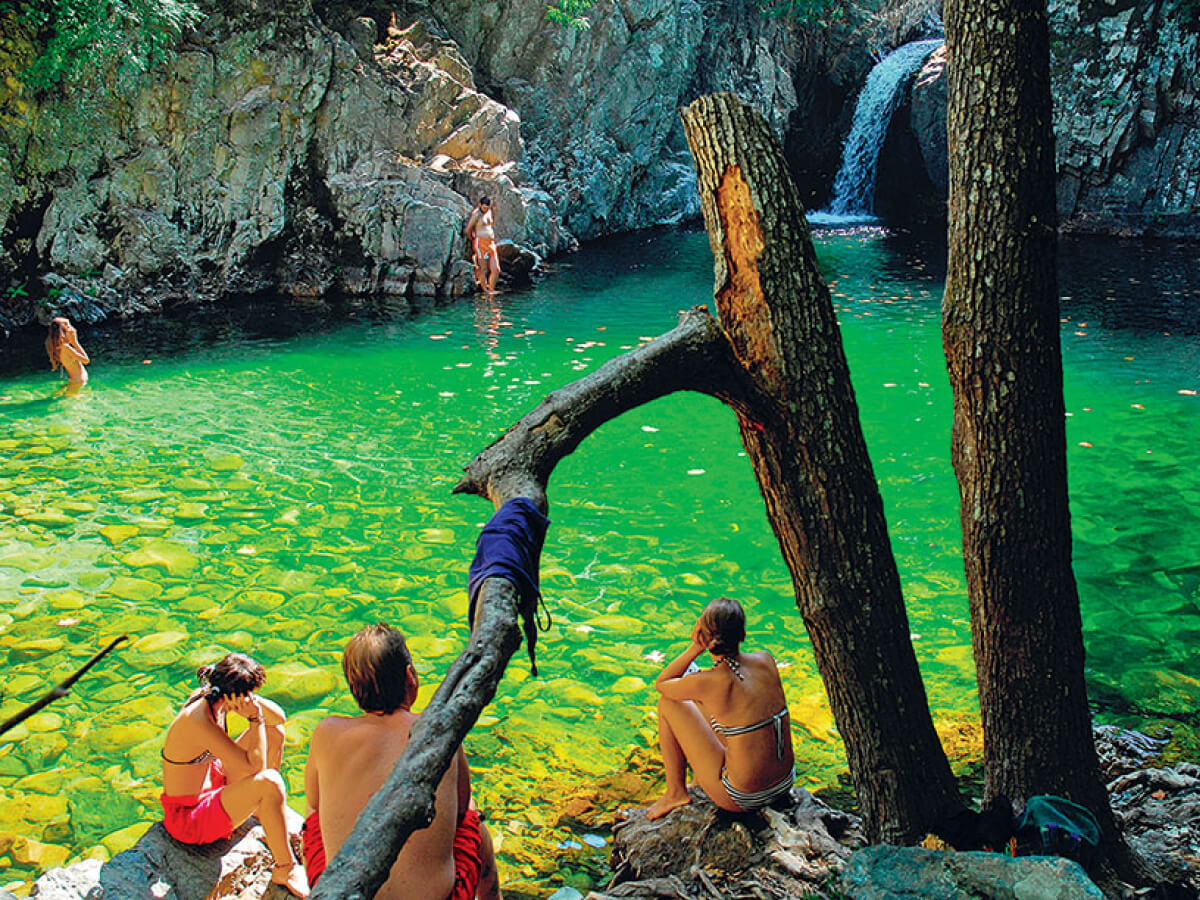
- Waterfall Scrambling & Canyoning – Experience waterfalls at their peak.
- Cycling Through Samothraki – Enjoy spring’s cooler cycling weather.
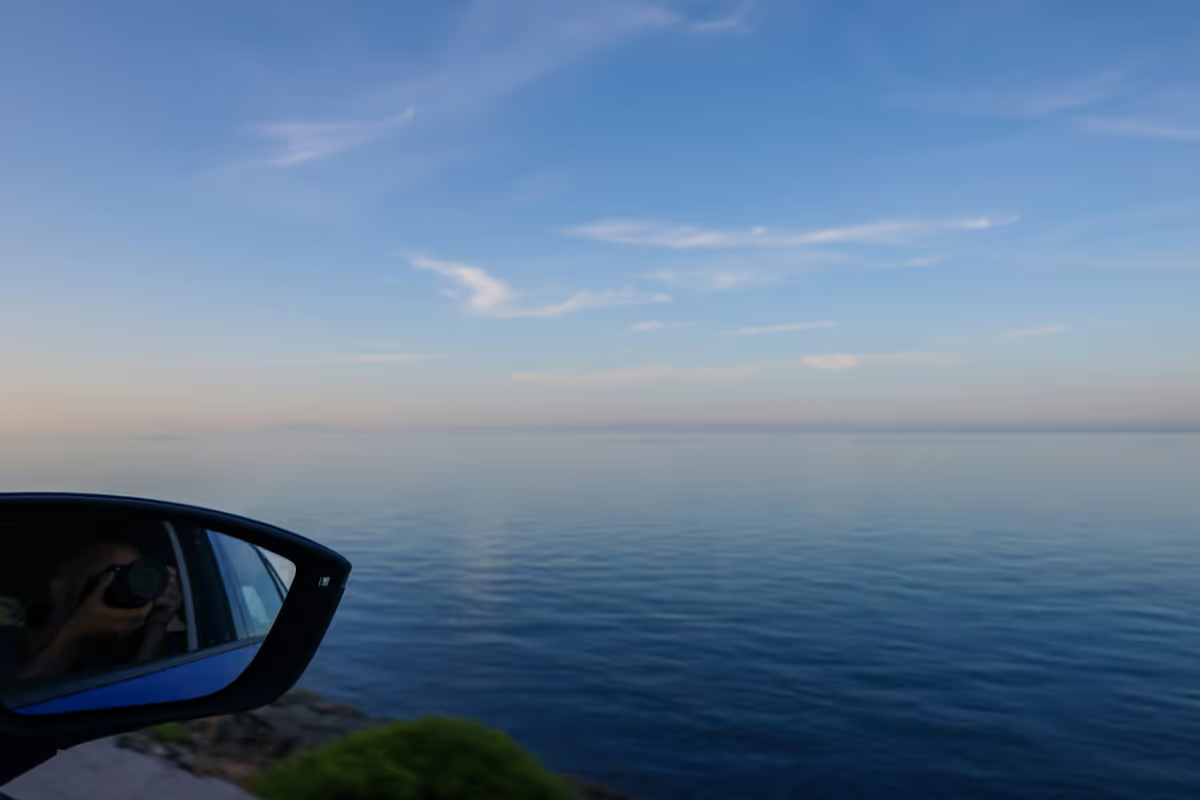
- Sunset View at Profitis Ilias – Clear spring skies enhance sunsets.
- Samothraki’s Coastal Escape by Boat – Spring offers calm seas and green coastlines.
- Therma Hot Springs – Relax in the hot springs as the island blooms.
- Hidden Gems to Discover – Explore lesser-known spots in spring’s tranquility.
- A Day in Samothraki – Spring itineraries for various interests.

Summer: Sun-soaked adventures (June - August)
Summer is the peak tourist season on Samothraki, with warm temperatures and plenty of sunshine. This is the best time for swimming, sunbathing, and enjoying the vibrant beach life. The island hosts various festivals and events, showcasing local culture and cuisine. Be prepared for larger crowds, especially in July and August.
- Average Temperature: 25°C - 30°C
- Activities: Swimming, beach activities, cultural festivals, nightlife.
Summer is the busiest season, ideal for beach lovers, boat trips, and water-based adventures.
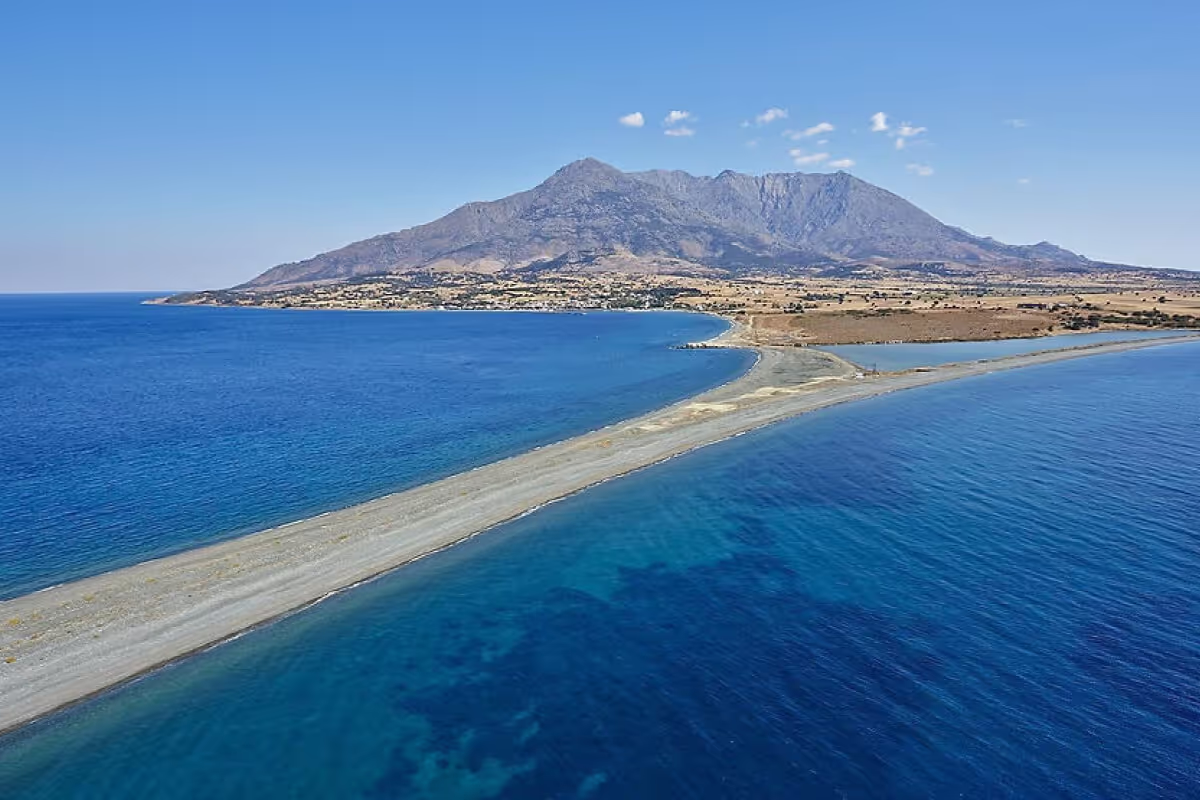
- Pachia Ammos Beach – The ultimate summer beach spot.
- Vatos Beach – A more secluded summer beach.
- Boat Escape by the Coast – Ideal for summer relaxation on the water.
- Cycling Routes – Early morning cycling to beat the heat.
- Sunset at Profitis Ilias – Experience summer’s vivid sunsets.
- A Day in Samothraki – Summer-focused itineraries.
- Hidden Gems – Perfect for finding quiet spots.

Fall: A tapestry of color (September - November)
Autumn is another fantastic time to visit Samothraki, particularly in September and early October when the weather remains warm, but the crowds have thinned out. This season is perfect for those looking to hike, explore, or simply relax in a quieter setting. The changing leaves also add a beautiful backdrop to your adventures.
- Average Temperature: 20°C - 25°C
- Activities: Hiking, wine tasting, enjoying local festivals, exploring archaeological sites.
Autumn is quieter, perfect for introspection, wellness, and cultural exploration.
- Therma Hot Springs – Best for autumn’s cooling temperatures.
- Dafnes Village – Experience peaceful village life.
- Cycling Through Samothraki – Autumn air makes cycling enjoyable.
- Sunset at Profitis Ilias – Autumn sunsets are serene.
- Boat Escape Along the Coast – Autumn coastlines are peaceful.
- Hike to Mount Saos – Cooler weather for longer hikes.
- Mystical Aura of Samothraki – Perfect for autumn exploration.
- Hidden Gems – Explore with fewer tourists.

Winter: A snowy wonderland (December - February)
Winter on Samothraki is a serene and peaceful time, with fewer tourists and a slower pace of life. The temperatures can be cool and rainy, but the island's natural beauty and tranquility make it a unique time to visit. Winter hiking is an option for the adventurous, and you'll have the opportunity to experience local traditions and the island’s culture more intimately.
- Average Temperature: 10°C - 15°C
- Activities: Hiking, enjoying local cuisine, experiencing traditional winter festivals.
Winter is for solitude, hot springs, and exploring the island’s mystical side.
- Therma Hot Springs – A warm retreat during winter.
- Sunset at Profitis Ilias – Winter sunsets in silence.
- Mystical Aura of Samothraki – The island’s mystical side is felt in winter.
- A Day in Samothraki – Relaxed itineraries.
- Hidden Gems – Explore peacefully.
- Cycling Through Samothraki – Quieter roads.
- Ancient Trails – Reflect on the island’s history.
Conclusion
No matter when you decide to visit Samothraki, each season offers its own charm and unique experiences. Whether you're drawn to the lively summer beaches or the tranquil beauty of spring and autumn, you'll find that Samothraki has something special to offer year-round.
Plan your trip based on the experiences you want to have, and enjoy the natural and cultural treasures of this enchanting island!
Good to know
What's the best month to visit Samothraki?
The answer depends on your priorities. June and September offer ideal conditions: warm weather (25-28°C/77-82°F), comfortable water temperature (20-22°C/68-72°F), fewer crowds than July-August, and excellent hiking conditions. May and early October bring pleasant weather, cheaper accommodations, and fewer tourists. July-August offer warmest water (24-25°C/75-77°F) but peak crowds and prices. April features wildflower displays and mild weather (18-22°C/64-72°F) but water is cold (14-16°C/57-61°F). September offers summer weather with emptying beaches as families return to school. For specific activities: hikers prefer spring (wildflowers, cooler temperatures) or fall (stable weather, changing colors); swimmers prefer June-September; cultural immersion is best in shoulder seasons when tourism is moderate. Winter (November-March) brings rainy, cool weather (8-15°C/46-59°F), closed attractions, and minimal tourism—ideal for solitude seekers willing to sacrifice sunshine. Overall, June and September are objectively "best," but shoulder seasons offer better value and genuine experiences.
What is summer like on Samothraki compared to other times?
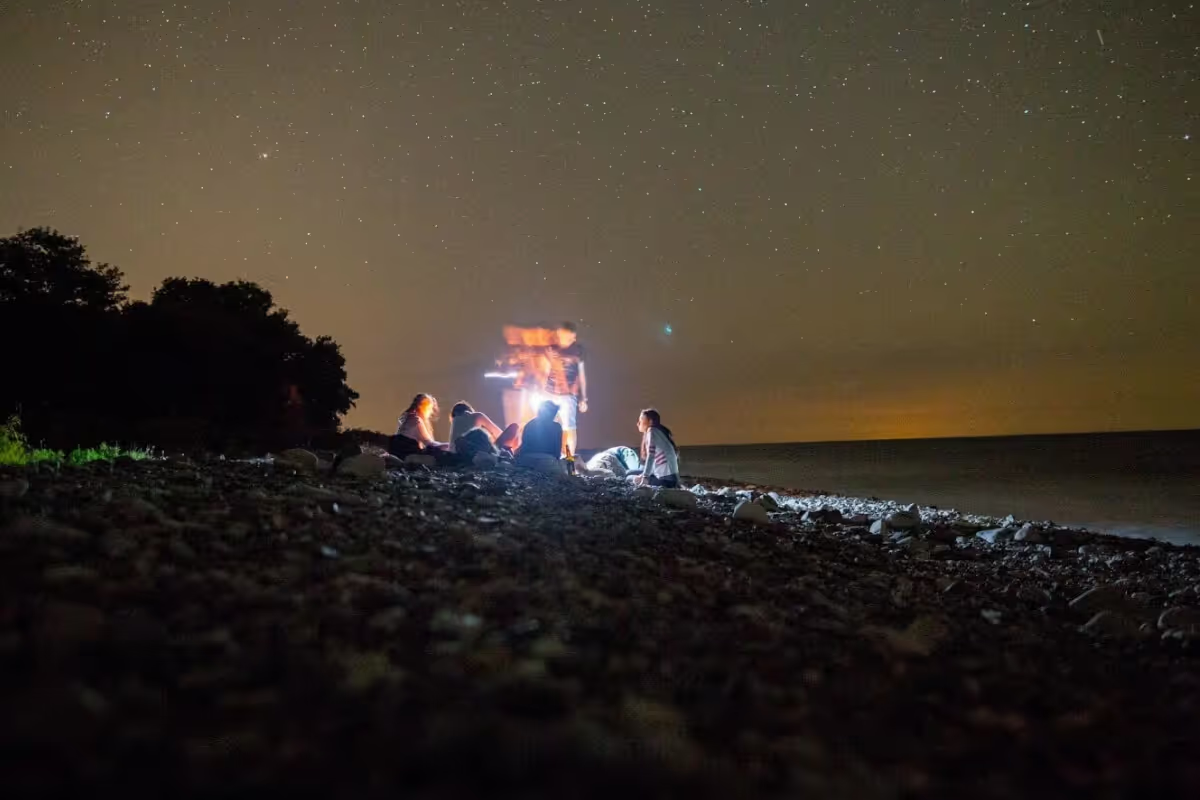
Summer (July-August) brings warmest weather (28-30°C/82-86°F), perfect swimming conditions (24-25°C/75-77°F), and peak visitor presence. Expect more tourists (by Samothraki's low-impact standards, still quiet compared to major islands), busier restaurants, potentially higher prices, and more services operating. Hiking during peak summer heat requires early starts (6-7am) and adequate water. The upside: warm nights for sleeping outdoors in hammocks or under stars, peak accessibility of all attractions, and social energy creating community among travelers. Unlike overcrowded destinations, peak summer Samothraki remains peaceful—you simply have more fellow travelers to meet. Water sports and swimming are optimal. Mountain villages remain quiet regardless of season. The trade-off isn't crowding but heat and peak pricing. Many travelers prefer June or September for superior balance of good weather, comfortable water, moderate crowds, and reasonable prices. If you visit July-August, stay in cooler mountain areas and shift activities to early mornings.
Can I visit in winter and is it worth it?
Yes, and for specific travelers, absolutely worth it. Winter brings cooler, rainy weather (8-15°C/46-59°F), minimal tourists, closed restaurants and hotels, and profound solitude. This appeals to photographers seeking dramatic moody landscapes, writers seeking quiet inspiration, spiritual seekers, and travelers valuing solitude over sunshine. Hiking is feasible but muddy and slippery—suitable for experienced hikers with proper gear. Water sports are limited due to cold temperatures and rough seas. Many businesses close seasonally, reducing services but increasing authenticity. The island feels truly remote—genuine Greek island life without tourism infrastructure. Accommodation is cheaper and more available as owners reduce operations. Locals' daily lives proceed undisturbed by tourist disruption. If you crave authentic, uncommodified experience, winter delivers. If you require sunshine, swimming, and active tourism infrastructure, winter disappoints. Winter suits experienced travelers comfortable with uncertainty and self-sufficiency. Spring and fall offer winter's authenticity with better weather—perhaps optimal.
More before you go
-
FAQs
Answers about getting there, where to stay, hiking, beaches, food, costs and more.
-
Travel planner
Flights, ferries, transfers, car and scooter rental, insurance and eSIMs, in one place.
-
Getting here
Fly to Alexandroupolis, then take the ferry. Trains, buses, transfers and cars, step by step.
-
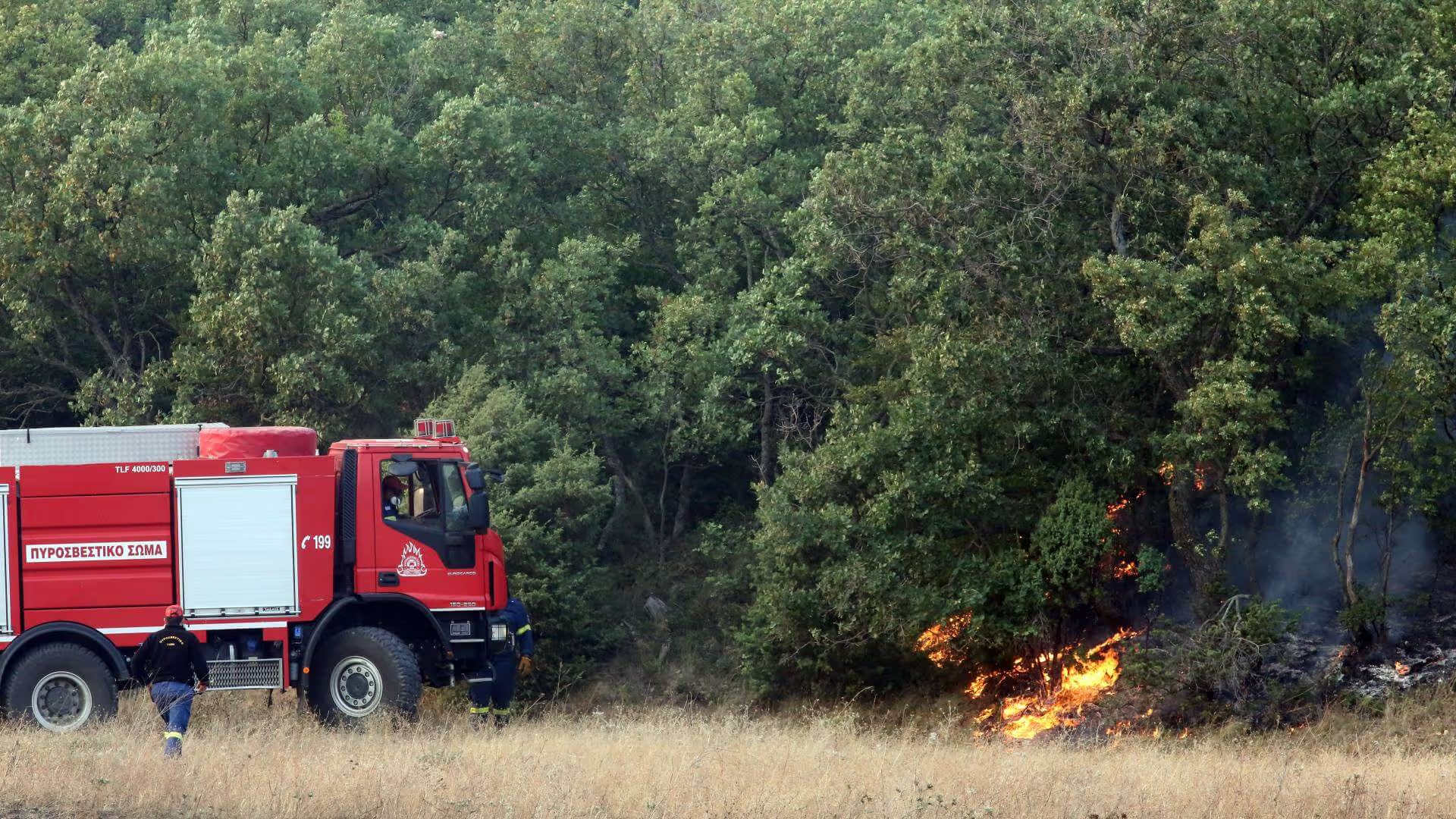
Stay safe
Save 112 and the local police (+30 25510 41203) before you arrive: signal varies across the island.
-
Get in touch
Questions about your trip, a listing or the booking system? Write to us.