Samothraki Spring 2026
What's new on Samothraki in spring 2026: ferry access, restored Byzantine landmarks, thermal springs & slow travel tips for conscious explorers.
The Island Is Waking Up — But on Its Own Terms
There's a particular quality to Samothraki in spring that no other Greek island can replicate. The rivers are full. The slopes are carpeted in wildflowers. The trails are quiet enough to hear birdsong echoing off basalt rock faces. And the communities — the people who actually live here year-round — are present, unhurried, and willing to talk.
Spring 2026, however, feels like more than just a seasonal reset. Something is shifting on this island. Not in the direction of mass tourism, not toward the kind of frenzied development that has altered so many Aegean destinations beyond recognition — but toward something more considered. More intentional.
For travellers searching for off-the-beaten-path Greece, slow travel destinations in 2026, or sustainable island getaways in Europe, Samothraki deserves serious attention right now. Here is what you need to know before you arrive.
1. Getting Here Just Got Easier — Without Losing the Island's Soul
One of the biggest practical shifts for the 2026 season is expanded ferry connectivity. Samothraki has historically been reachable only from Alexandroupolis, a routing that kept it wonderfully remote — but also logistically limiting for travellers coming from further afield.
That is changing. From this spring, the island is served year-round not only via Alexandroupolis but also through Lemnos Island and Lavrio Port, with onward connections to Piraeus (Athens' main port), Northern Aegean islands, and Cycladic island chains.
This matters for several reasons. It means island-hopping itineraries can now genuinely include Samothraki without building in fragile timing around a single daily crossing. It means the shoulder seasons — April through June and September through October — are now logistically accessible for small groups, solo travellers, and experience designers who've always known these months offer the best version of this island.
It also means something more profound: Samothraki is becoming a year-round destination, not just a summer secret. For those drawn to slow travel in Greece, regenerative tourism, or simply the desire to arrive somewhere that hasn't been packaged and polished into sameness — this is the window. Plan your journey on our getting here page.
2. A Byzantine Tower Rises Again: The Fonias Canyon Gets Deeper
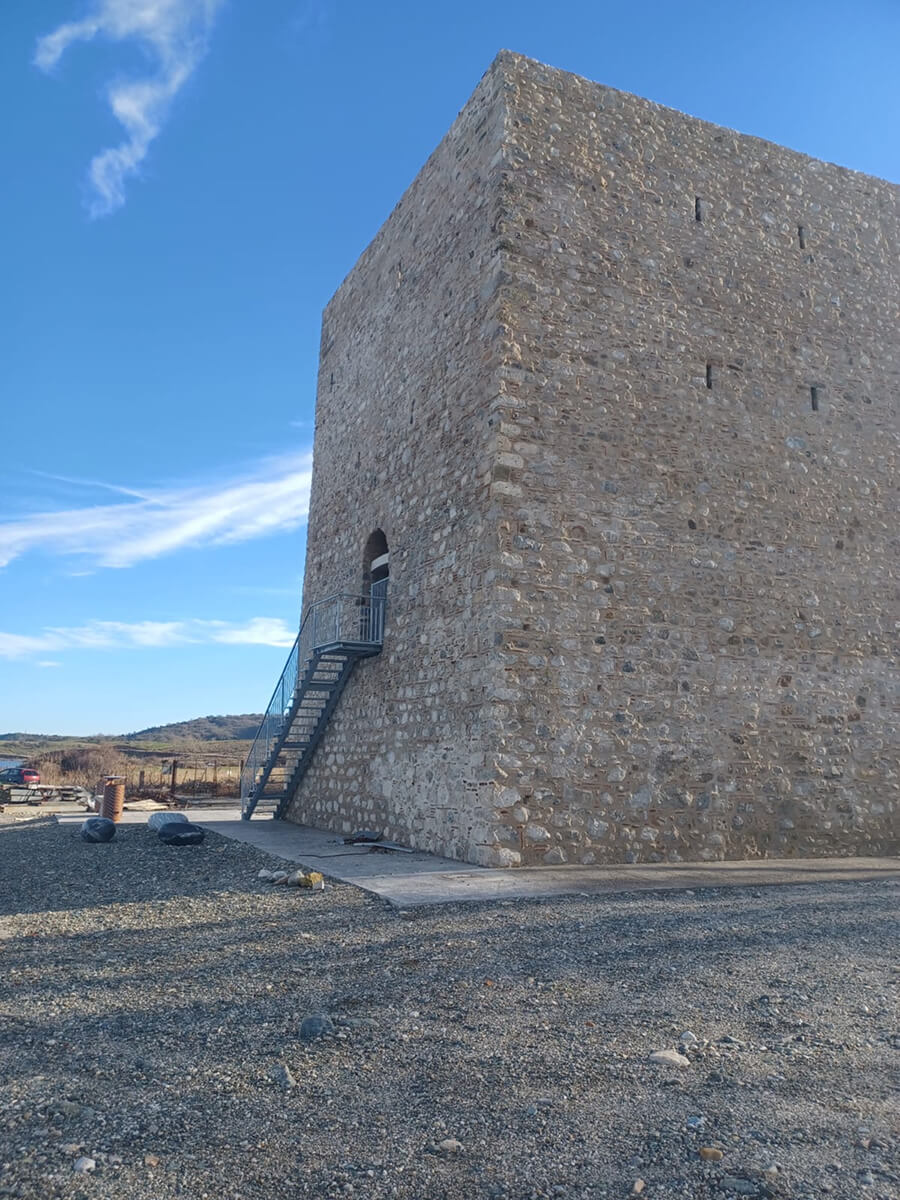
Spring 2026 brings one of the most quietly significant cultural milestones the island has seen in years: the full restoration of the Byzantine Tower of Fonias, originally constructed around 1400 AD.
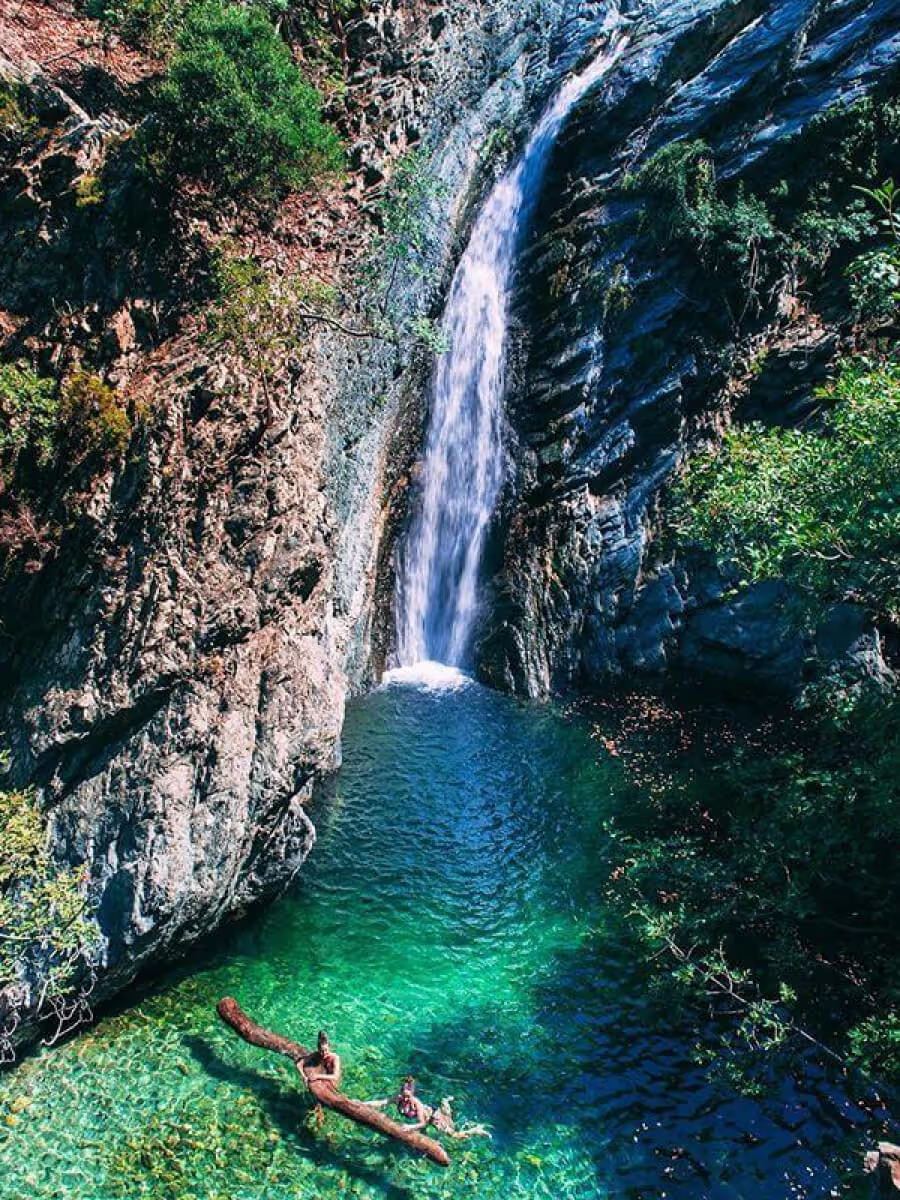
If you've walked the Fonias canyon trail before — past the stream, through the ancient plane trees, toward the famous waterfall — you'll have passed this tower. But until now, it existed more as a ruin to glance at than a landmark to reckon with. That has changed.
The restored tower now stands as a genuine point of interpretation within one of Samothraki's most visited natural corridors, connecting the island's medieval maritime history, Byzantine-era defensive architecture, the layered human presence along the Fonias river valley, and local folklore and the legends woven into this landscape over centuries.
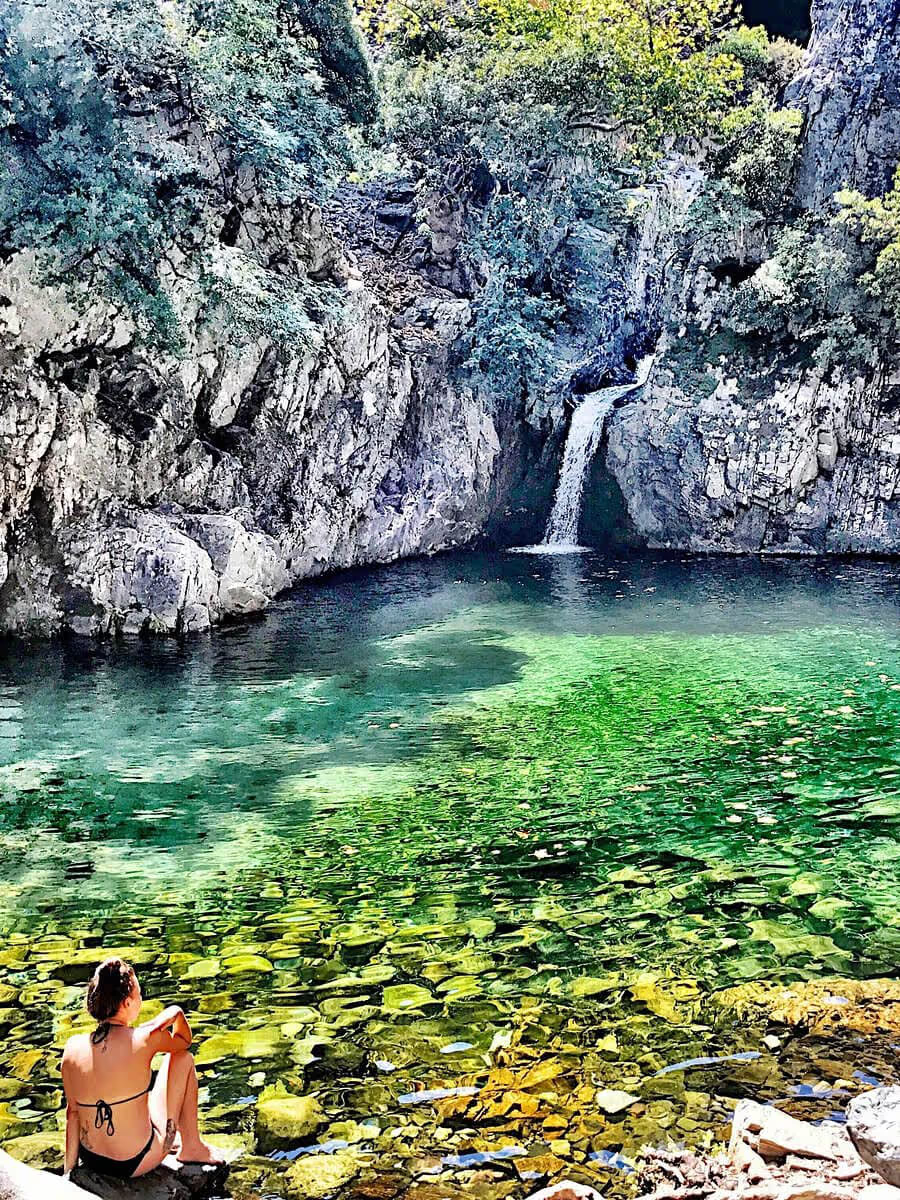
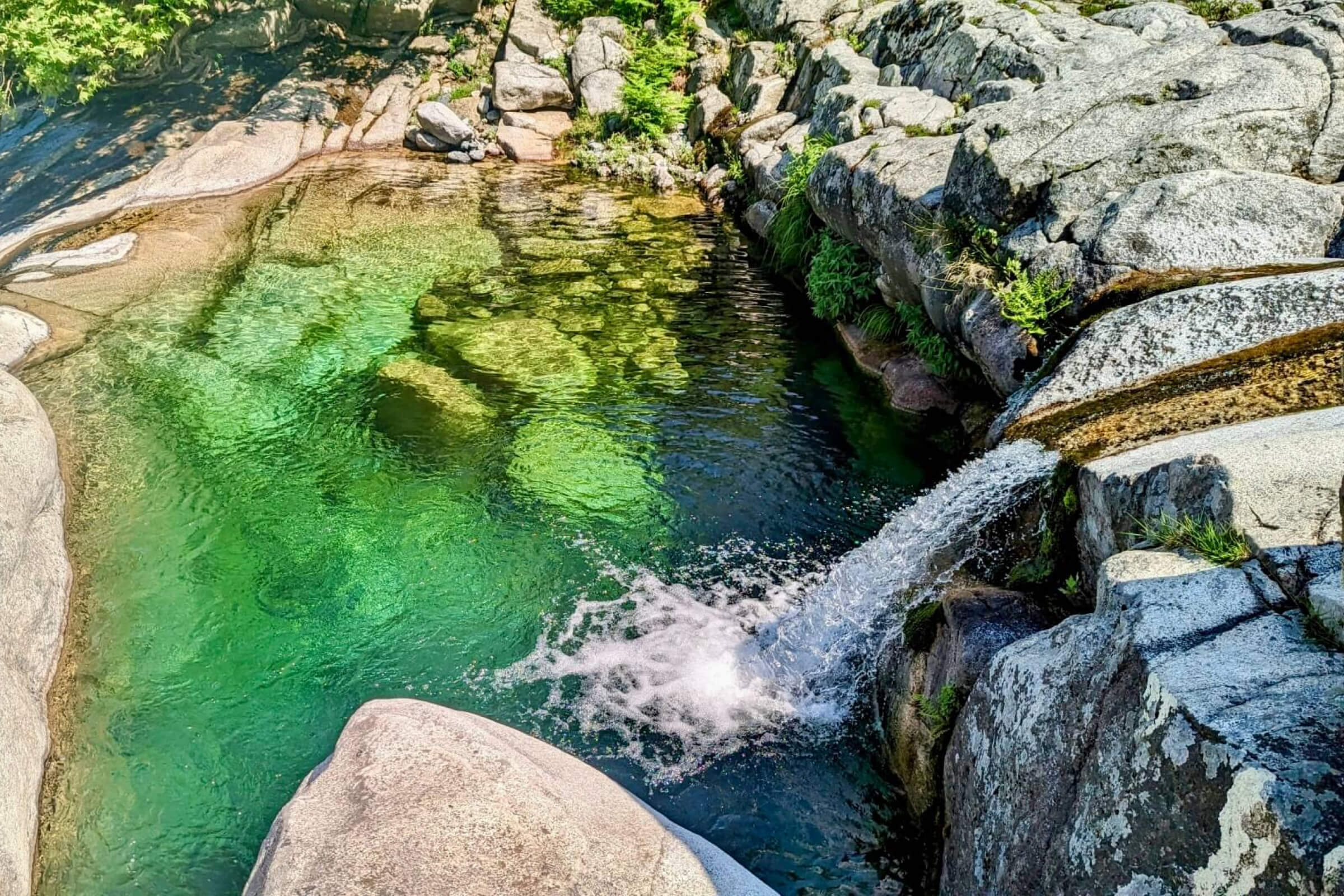
This is the kind of addition that transforms a nature walk into something richer. The Fonias canyon has always drawn visitors for its waterfall and natural pools — the famous vathres where the mountain's cold water collects into swimming holes. Now, it also offers a genuine cultural anchor: a place where ecology and human history intersect visibly.
It is a reminder, too, of what many travellers forget about Samothraki: this is not only a wild nature destination. It carries 7,500 years of documented human history, from Neolithic settlement through the ancient Mysteries of the Great Gods, Byzantine occupation, Venetian fortifications, and Orthodox religious tradition. The restored Fonias tower makes that depth tangible.
3. Thermal Springs, Community Voice & the Sustainability Question
The most significant development of spring 2026 on Samothraki may not be visible at all.
A formal consultation process with local residents has begun regarding the potential development of the island's natural thermal springs. This might sound like a bureaucratic footnote. It is not.
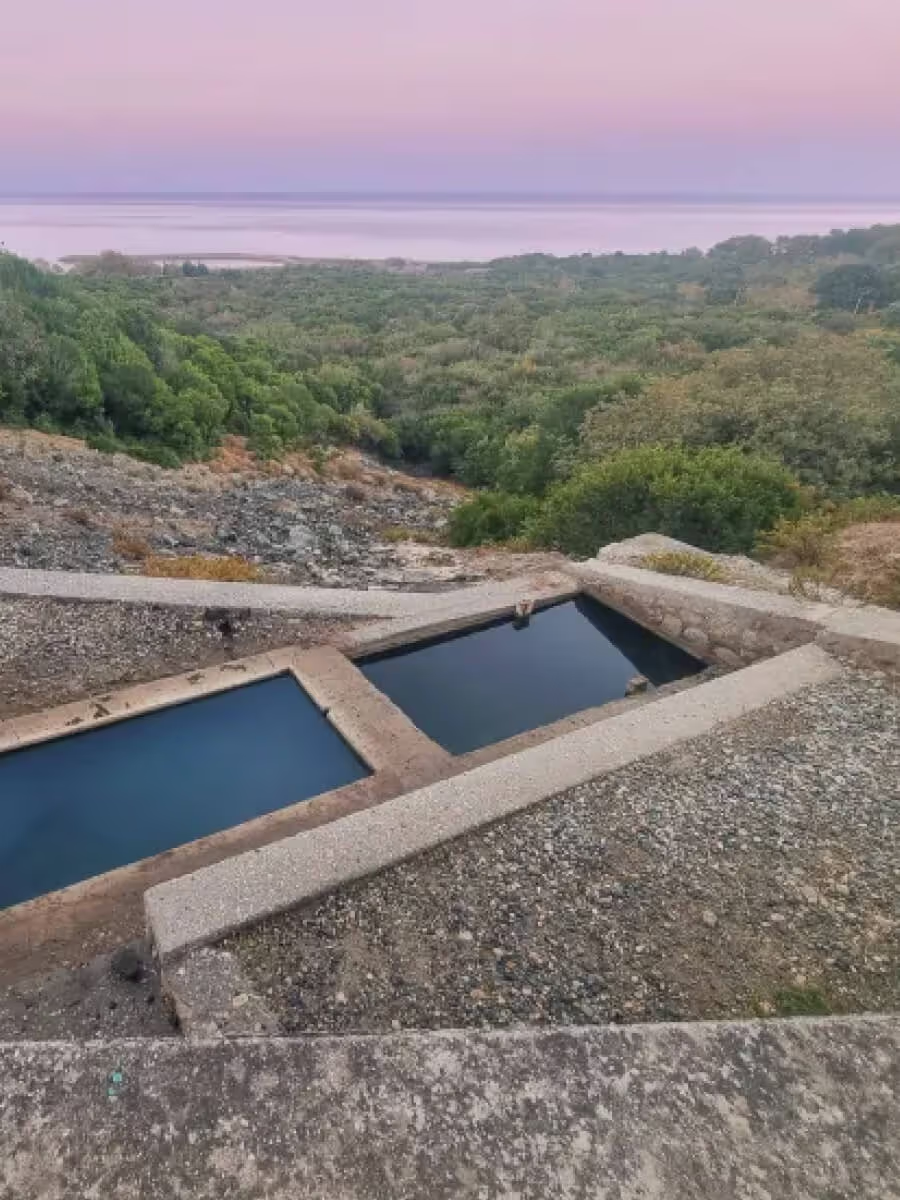
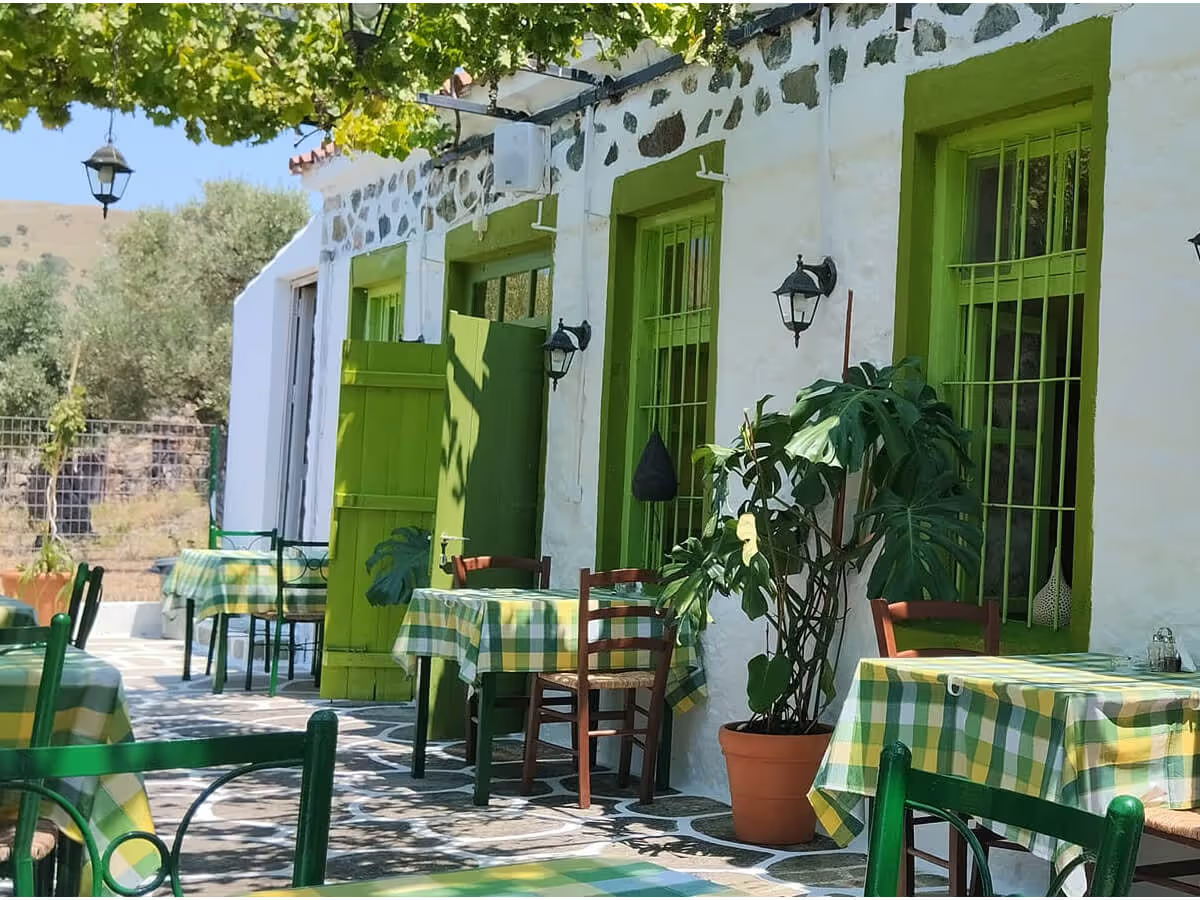
Samothraki's thermal waters — concentrated primarily around the village of Therma in the island's north — are central to its identity. They attract visitors who come specifically for wellness tourism in Greece, for the therapeutic properties of naturally heated mineral water, for the ritual of soaking in an outdoor pool while the Aegean wind moves through the trees above. The springs are not a commodity here. They are part of how the island understands itself.
The fact that a community consultation is happening at all signals something important: a recognition that water resources require limits, that development without local consent is not development, and that the island's future must be shaped by the people who live within it, not only by external tourism demand.
For travellers interested in responsible travel, eco-tourism in the Aegean, or destinations genuinely wrestling with how to grow without losing what makes them worth visiting — this process is worth following. Samothraki is asking the right questions at exactly the right moment.
4. Spring Trails: The Best Time to Walk the Island Before the Crowds Arrive
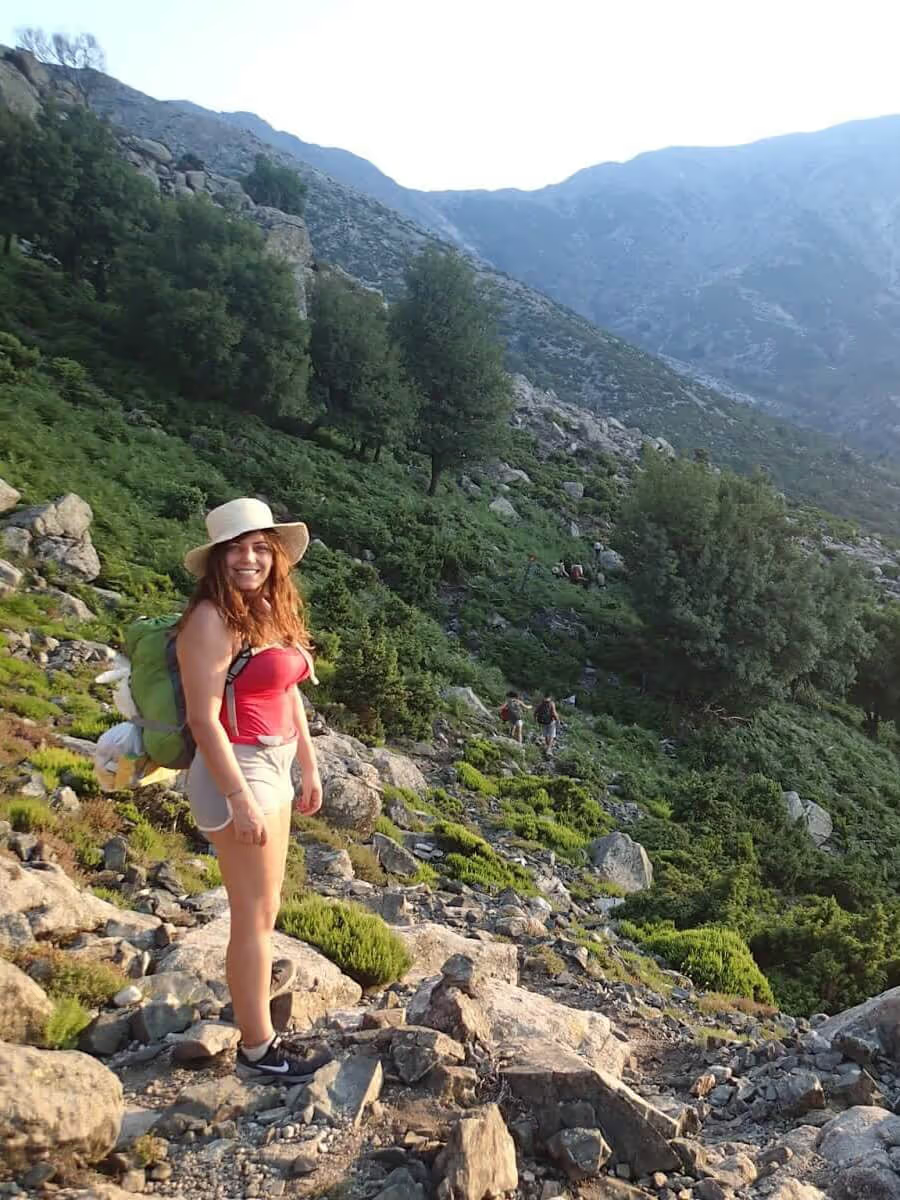
If you're a hiker, a birdwatcher, a nature photographer, or simply someone who prefers their experiences without a crowd — spring on Samothraki's mid-altitude trails is among the finest things you can do in the northern Aegean.
Between April and early June, these routes offer exceptional wildflower diversity, migratory bird species passing through on their northern routes, flowing rivers, seasonal waterfalls, and natural pools at their fullest and most dramatic, unobstructed views toward the Turkish coast, and night skies with virtually zero light pollution — Samothraki remains one of the best stargazing destinations in Europe.
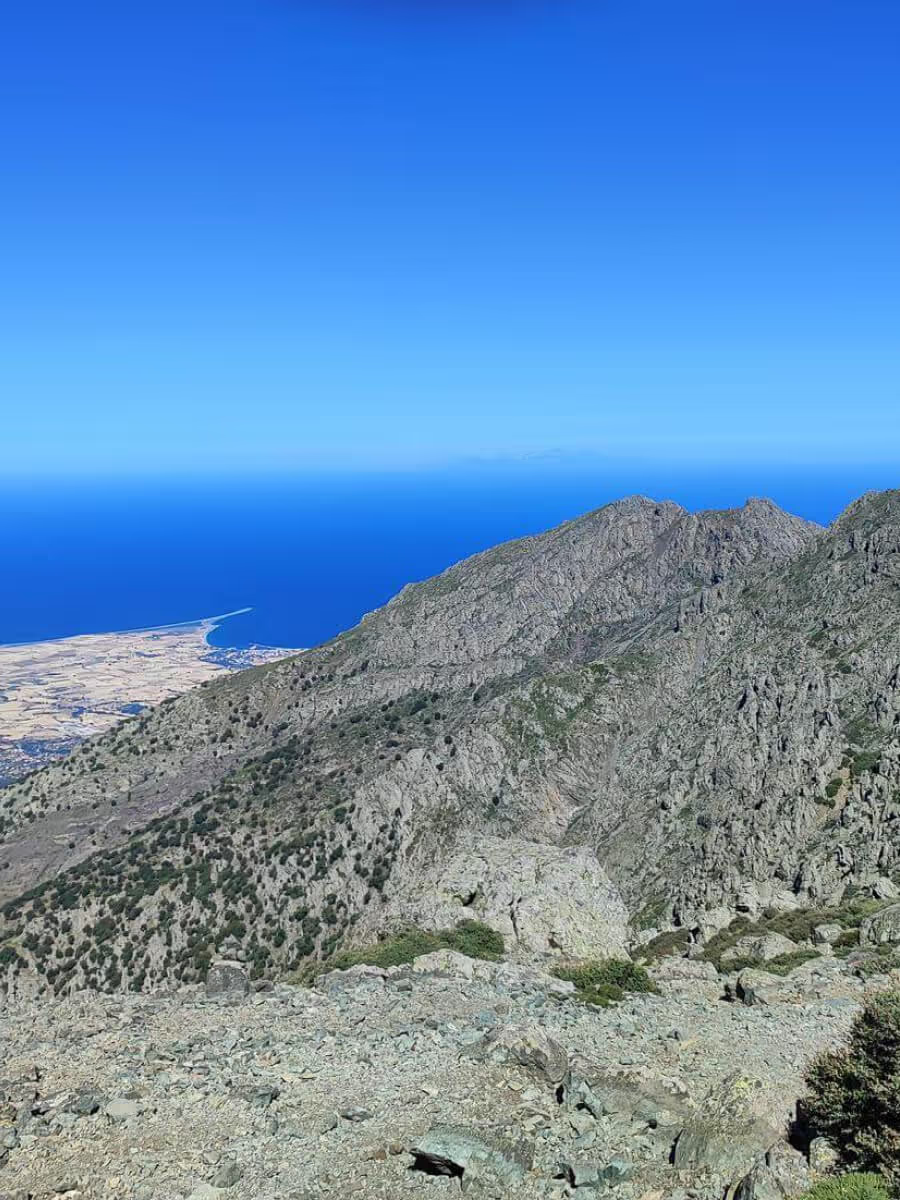
The island's highest peak, Mount Saos (Fengari), rises to 1,611 metres — the tallest summit in the Aegean — and the trails radiating from it offer varying levels of difficulty. For those not attempting the summit, the mid-altitude routes through oak and plane tree forest are accessible, rewarding, and ecologically rich. You can also explore mindful nature walks or waterfall scrambling and canyoning for a more active experience.
Practical note: group size and timing matter more than specific route selection. Early starts, small parties, and a genuine willingness to slow down will define the quality of the experience far more than any particular trail map. Use our travel planner to map your visit.
5. Ancient Mysteries, Easter Rites & the Spiritual Archaeology of Spring
Samothraki's relationship with spring is ancient — far older than the ferry schedules or the tourism statistics.
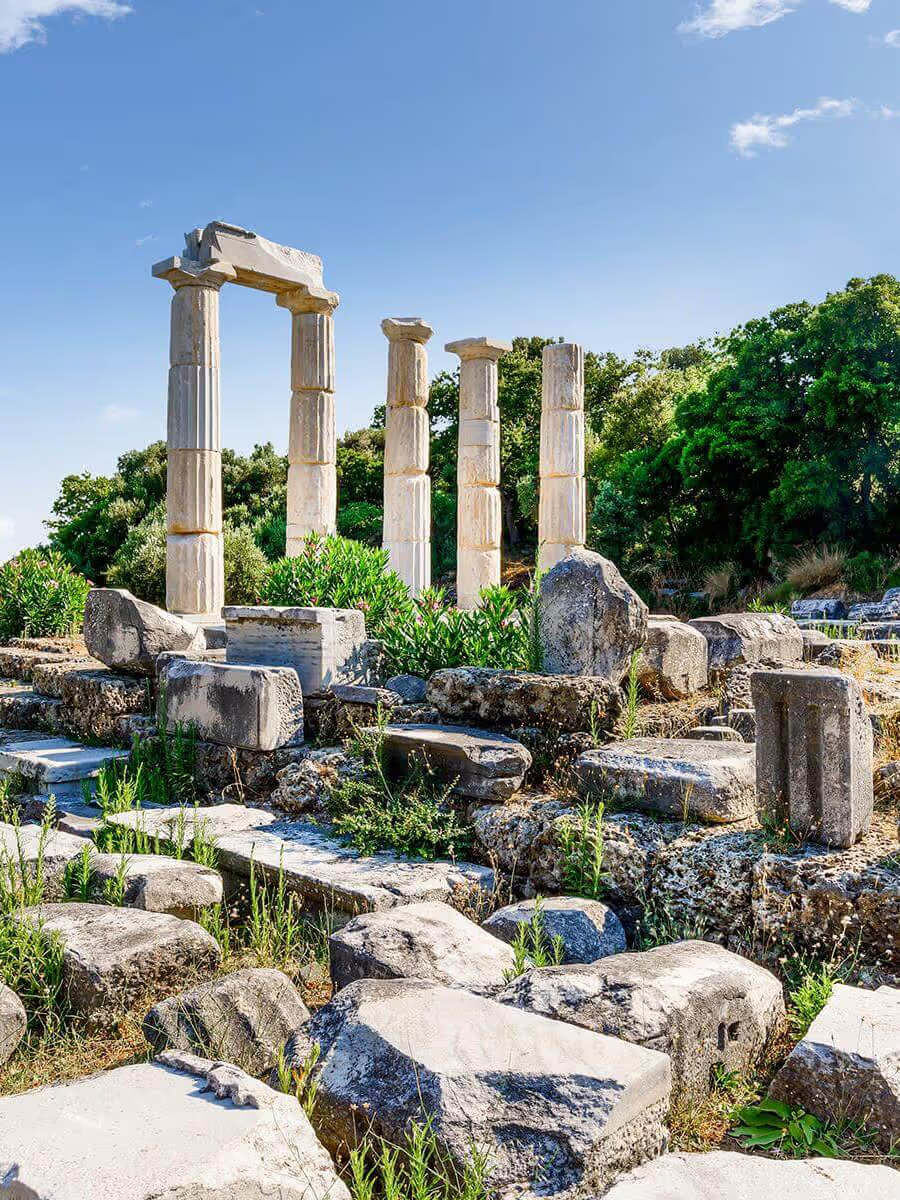
The island was home to one of the most significant religious sanctuaries in the ancient world: the Sanctuary of the Great Gods at Paleopolis, where the pre-Hellenic Mysteries of the Kabeiroi were performed for centuries. These rites — initiation ceremonies drawing worshippers from across the Greek world, including kings, generals, and philosophers — centred on themes of protection, spiritual union, and the cyclical renewal of life. The Sacred Marriage of Harmonia, the island's own goddess, with Kadmos, legendary founder of Thebes, is one of the mythological anchors of this tradition.
These pre-Hellenic spring mysteries were later absorbed into broader Greek religious culture, overlapping with the myth of Persephone — the goddess whose descent into the underworld and annual return explains the death and resurrection of the natural world. And when Byzantine Christianity arrived, these older ritual patterns were not erased; they were transformed. The Orthodox Easter — celebrated with particular depth and sincerity in island communities across Greece — carries within it the same narrative of death overcome and life renewed.
For travellers visiting during Easter in Greece 2026, Samothraki offers one of the most authentic experiences of this tradition available anywhere in the country. Small-scale, community-centred, spiritually serious — and set against a landscape that has been meaningful to human beings for millennia. Explore the mystical aura of Samothraki further in our dedicated feature.
6. What Sustainable Travel Actually Looks Like Here in 2026
Sustainability is one of the most overused words in contemporary travel marketing. On Samothraki, it is something closer to a lived necessity.
Roughly three-quarters of the island falls within the Natura 2000 European protected area network. The island has no airport — ferry access naturally limits the scale of arrivals. Population remains under 3,000 year-round. These are not marketing points. They are structural realities that shape what kind of tourism the island can genuinely absorb.
For the 2026 season, the most responsible approach to visiting Samothraki includes choosing shoulder season (April–June or September–October) over peak summer weeks, staying longer — three days minimum to meaningfully engage with the landscape and culture, supporting local, family-run accommodation and tavernas rather than platforms that extract value from the community, respecting trail and water access guidelines, particularly around the vathres and canyon areas under seasonal pressure, and travelling in small groups — the difference between six and sixteen people in a sensitive natural space is not trivial.
The island's thermal springs consultation, the restored Fonias tower, the expanded ferry routes: these are all, in different ways, expressions of an island trying to determine what kind of future it wants. The most meaningful thing a visitor can do is take that question seriously. Read our essential safety guide and FAQs before you travel.
7. Looking Ahead: Summer 2026 and the Choices That Will Define the Island
The coming months will put Samothraki's careful evolution to the test. Improved connectivity brings more arrivals. More arrivals bring pressure on water, on trails, on waste management systems, on the rhythms of communities that have chosen to live here precisely because of the island's relative quiet.
For now, spring remains the right season. The island is open, layered, and asking honest questions about its own future. That, in itself, is worth the ferry ride. Start planning your visit — or share your own Samothraki story when you return.